The First $1,000: A beginner-friendly guide to saving or investing your very first milestone amount.
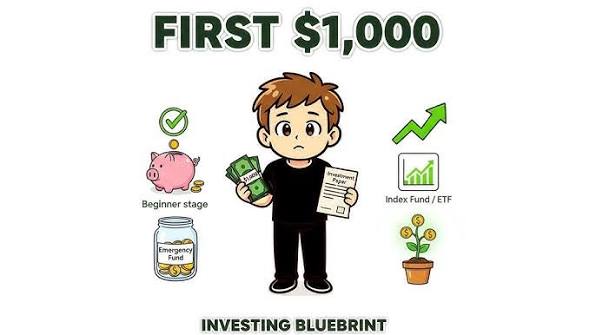
The First $1,000: A Beginner-Friendly Guide to Saving or Investing Your Very First Milestone Amount
Reaching your first $1,000 is a significant milestone, especially if you're new to saving or investing. It's a testament to your financial discipline and a crucial step towards building a stronger financial future. In this guide, we'll walk you through the best ways to save or invest your first $1,000, helping you make the most of this exciting achievement.
Why is the First $1,000 Important?
The first $1,000 is a critical milestone for several reasons:
- Emergency Fund: Having $1,000 set aside can provide a sense of security and help you cover unexpected expenses, such as car repairs or medical bills.
- Investment Opportunity: $1,000 is a sufficient amount to start investing in a diversified portfolio, potentially earning higher returns than a traditional savings account.
- Habit Formation: Saving or investing your first $1,000 helps develop healthy financial habits, such as regular saving and long-term planning.
Saving Options for Your First $1,000
If you're not ready to invest, there are still several saving options to consider:
- High-Yield Savings Account: Place your $1,000 in a high-yield savings account, which can earn around 1.5% to 2.5% interest, depending on the institution and market conditions.
- Money Market Account: A money market account can provide easy access to your funds while earning a slightly higher interest rate than a traditional savings account.
- Certificates of Deposit (CDs): CDs offer a fixed interest rate for a specified period, usually ranging from a few months to several years.
Investing Options for Your First $1,000
If you're ready to invest, consider the following options:
- Index Funds or ETFs: These funds track a specific market index, such as the S&P 500, providing broad diversification and potentially lower fees.
- Robo-Advisors: Automated investment platforms, like Betterment or Wealthfront, offer low-cost, diversified portfolios and professional management.
- Micro-Investing Apps: Apps like Acorns or Stash allow you to invest small amounts of money into a diversified portfolio, often with low or no fees.
Tips for Investing Your First $1,000
Before investing, keep the following tips in mind:
- Understand Your Risk Tolerance: Consider your comfort level with market volatility and adjust your investment strategy accordingly.
- Diversify Your Portfolio: Spread your $1,000 across different asset classes, such as stocks, bonds, or real estate, to minimize risk.
- Keep Costs Low: Be mindful of fees associated with investment products and aim to minimize them.
- Set Clear Goals: Define your investment goals, whether it's long-term growth or short-term savings, to help guide your investment decisions.
Conclusion
Reaching your first $1,000 is a significant achievement, and it's essential to make the most of this milestone. By considering your options carefully and following the tips outlined above, you can set yourself up for long-term financial success. Remember to stay disciplined, patient, and informed, and you'll be well on your way to building a stronger financial future.
Next Steps
- Review Your Budget: Ensure you're allocating enough funds towards saving or investing each month.
- Research Investment Options: Explore different investment products and platforms to find the best fit for your goals and risk tolerance.
- Start Small: Begin with a manageable investment amount, even if it's just a fraction of your $1,000, and gradually increase your contributions over time.
By taking control of your finances and making informed decisions, you'll be able to celebrate many more milestones on your path to financial freedom.
Written by
Keep reading
Read next

Why Failure Is the Fastest Path to Success

Royal Lineages: Write about the lavish, slow-cooked cuisines of the Nawabs of Hyderabad (like Hyderabadi Biryani) or the Rajput rulers of Rajasthan.

The "How-To" Tutorial: A clear, numbered, step-by-step walkthrough of a complex process, optimized for beginners.
Join in
Comments
No comments yet. Be the first to share your thoughts.