Climate Changing around the world
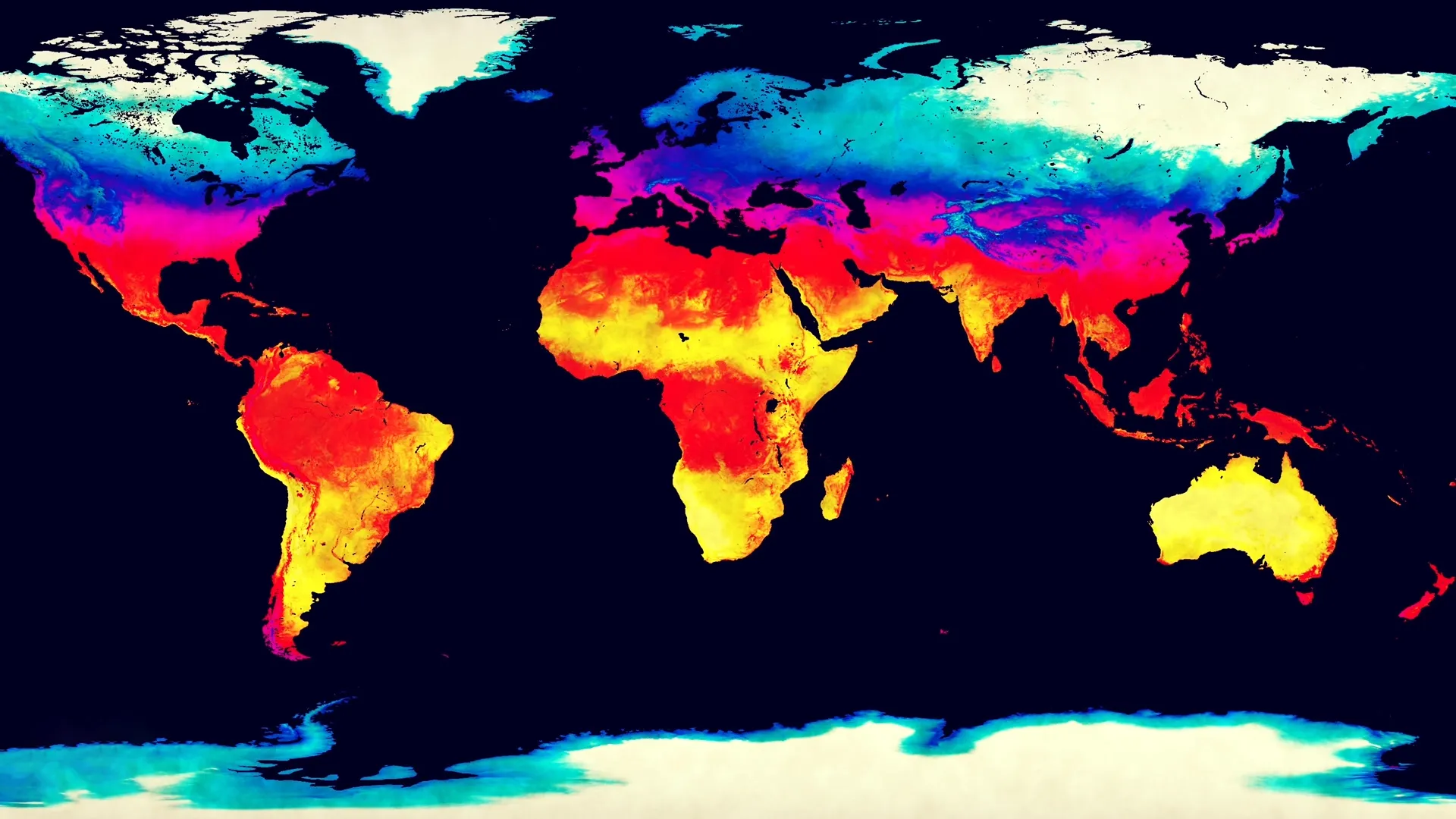
The Alarming Reality of Climate Change: A Global Perspective
Climate change is one of the most pressing issues of our time, with far-reaching consequences for our planet and its inhabitants. The phenomenon refers to the long-term warming of the Earth's surface, primarily due to human activities that release greenhouse gases, such as carbon dioxide and methane, into the atmosphere. In this blog post, we will delve into the alarming reality of climate change around the world, exploring its causes, effects, and potential solutions.
Causes of Climate Change
The main causes of climate change can be attributed to human activities, including:
- Burning of Fossil Fuels: The extraction, transportation, and combustion of fossil fuels, such as coal, oil, and gas, release massive amounts of carbon dioxide into the atmosphere, contributing to global warming.
- Deforestation: The clearance of forests for agriculture, urbanization, and other purposes has led to the loss of biodiversity, soil erosion, and the release of stored carbon into the atmosphere.
- Agriculture: The production of meat, especially beef, and other animal products leads to the release of methane and nitrous oxide, potent greenhouse gases.
- Industrial Processes: The manufacture of cement, steel, and other products requires large amounts of energy, resulting in significant greenhouse gas emissions.
Effects of Climate Change
The consequences of climate change are widespread and varied, affecting different regions and ecosystems in unique ways. Some of the most noticeable effects include:
- Rising Sea Levels: Thawing of polar ice caps and glaciers, causing sea levels to rise, which in turn leads to coastal erosion, flooding, and saltwater intrusion into freshwater sources.
- Extreme Weather Events: Increased frequency and intensity of heatwaves, droughts, and heavy rainfall events, resulting in loss of life, property damage, and displacement of communities.
- Water Scarcity: Changes in precipitation patterns and increased evaporation due to warmer temperatures, leading to water scarcity, affecting human consumption, agriculture, and ecosystems.
- Loss of Biodiversity: Climate change alters ecosystems, disrupts food chains, and drives species to extinction, compromising the health and resilience of natural systems.
Regional Impacts of Climate Change
Climate change affects different regions of the world in distinct ways. Some of the most vulnerable regions include:
- The Arctic: Rapid warming, melting of sea ice, and thawing of permafrost, with significant implications for global weather patterns and sea levels.
- Africa: Droughts, famines, and water scarcity, exacerbated by climate change, threaten food security, human health, and economic stability.
- Asia: Rising sea levels, more frequent typhoons, and changes in monsoon patterns, affecting densely populated coastal cities, agricultural productivity, and water resources.
- Latin America: Deforestation, soil degradation, and changes in precipitation patterns, compromising the region's rich biodiversity and water security.
Solutions to Climate Change
While the challenges posed by climate change are daunting, there are many solutions that can help mitigate its effects and adapt to a changing world. Some of these solutions include:
- Renewable Energy: Transitioning to solar, wind, and other renewable energy sources to reduce dependence on fossil fuels and decrease greenhouse gas emissions.
- Energy Efficiency: Improving the energy efficiency of buildings, transportation systems, and industries to reduce energy consumption and waste.
- Carbon Capture and Storage: Developing technologies to capture and store carbon dioxide emissions from power plants and industrial processes.
- Sustainable Land Use: Promoting sustainable agriculture, reforestation, and conservation practices to protect natural ecosystems and sequester carbon.
Conclusion
Climate change is a pressing global issue that requires immediate attention, cooperation, and action. By understanding the causes, effects, and regional impacts of climate change, we can work together to develop and implement effective solutions. It is essential to recognize that climate change is not just an environmental issue, but also a social, economic, and human rights issue. We must act now to reduce greenhouse gas emissions, transition to renewable energy, and promote sustainable land use practices to ensure a livable future for generations to come.
Written by
Keep reading
Read next

Why Failure Is the Fastest Path to Success

Royal Lineages: Write about the lavish, slow-cooked cuisines of the Nawabs of Hyderabad (like Hyderabadi Biryani) or the Rajput rulers of Rajasthan.

The "How-To" Tutorial: A clear, numbered, step-by-step walkthrough of a complex process, optimized for beginners.
Join in
Comments
No comments yet. Be the first to share your thoughts.